The Afternoon Left Open
A canceled meeting leaves an unexpected afternoon in Manhattan, with no useful plan for filling it.
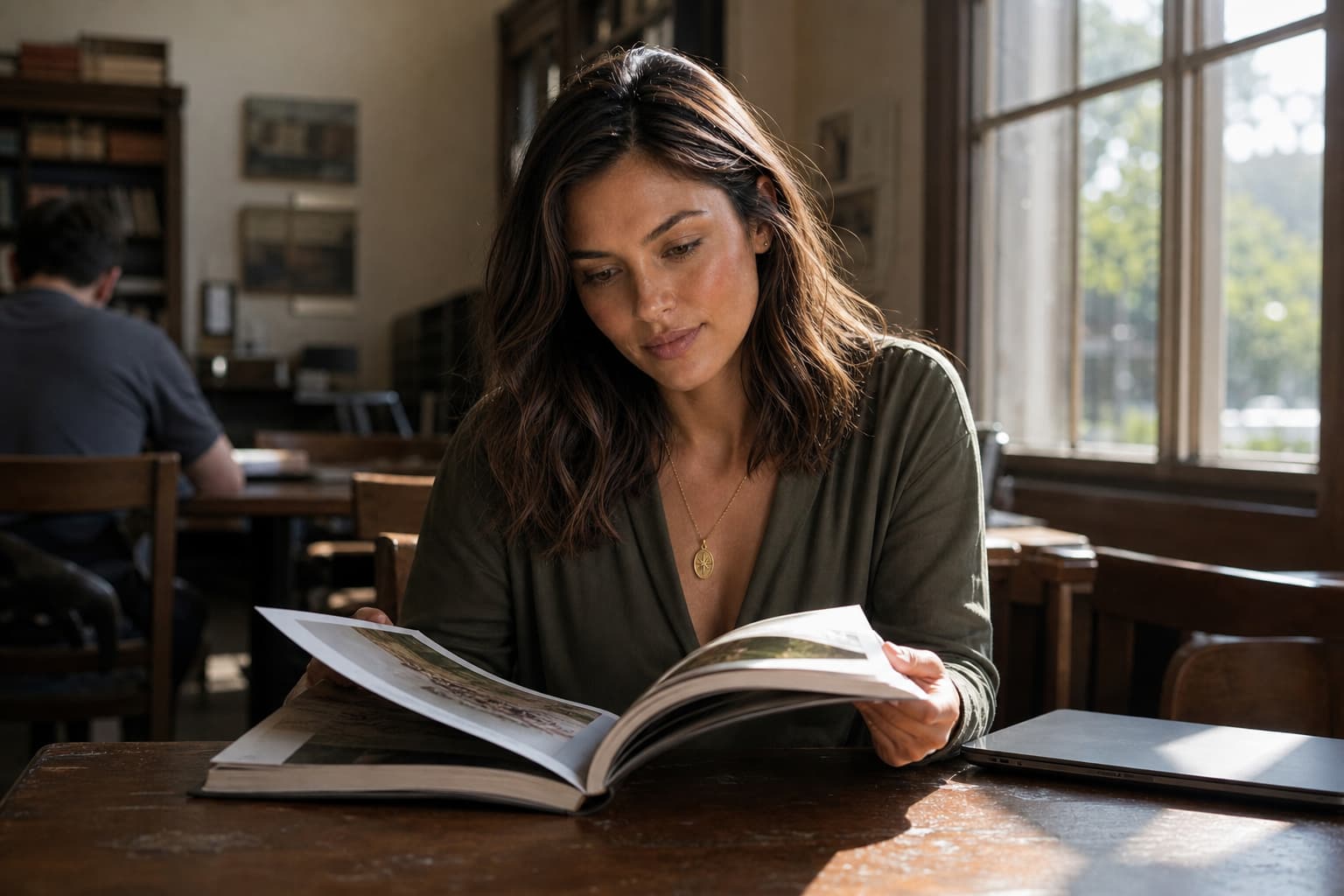
On Tuesday, I arrived twenty minutes early for a client meeting in Manhattan, carrying a presentation I had revised enough times to make every sentence look inevitable. The lobby was cool and faintly floral. I had just given my name to the receptionist when an email arrived: the meeting needed to move to Thursday. There was an apology, a new calendar invitation, and suddenly the next four hours belonged to no one.
My first response was not delight. It was inventory. I could answer messages, revise the revised presentation, or find a quiet table and begin next week's work early. An open afternoon struck me as a clerical error requiring immediate correction. I stood on the pavement with my notebook open, attempting to assign purpose to two o'clock while the city proceeded without consulting my schedule.
The day was warm, though September had put a thinner edge on the shade. A delivery cart rattled over a metal plate in the street. Someone above me shook a striped dish towel from a window, then withdrew it. At the corner, the light changed twice before I chose a direction. This is one of New York's quieter extravagances: you can be temporarily unnecessary among eight million people and the machinery does not appear to suffer.
No recovery plan
I walked into an unnamed public reading room because its doors were open and because libraries permit a person to enter without first producing an appetite, a reservation, or a persuasive reason. Inside, the air smelled of paper, floor polish, and the particular dust of buildings that have outlasted several theories of modernity. I chose a wooden chair near a tall window. It objected softly when I sat down.
I had brought my laptop, naturally. Carrying it everywhere is one of the less glamorous expressions of professional freedom. I set it on the table, aligned it with the edge, and did not open it. Instead I found a book of Dutch interiors on a nearby shelf and began looking at rooms painted four centuries ago: tiled floors, folded linens, a letter held near a window, bowls waiting without symbolic urgency to become supper.
An empty hour is not always asking to be improved.
In my father's event rooms, unused time was where trouble gathered. If guests were due at six, an unclaimed half hour meant checking candles, place cards, deliveries, and the temperature of the wine. Later, when the business began to fail, every delay seemed to conceal information I should have found sooner. I learned to regard vigilance as a kind of rent: the price of not being surprised.
That instinct has served me well in New York. It has paid invoices and caught errors before they reached clients. It has also made me remarkably skilled at converting rest into preparation. Even a walk can become research if one takes enough notes. I have occasionally returned from buying toothpaste with three observations about retail lighting and the exhausted air of someone coming off a shift.
The reading room offered no revelation, which was considerate of it. A student turned pages with a ruler beside her notebook. An older man slept upright behind a newspaper. At the next table, a woman removed her shoes beneath her chair and flexed her toes once, discreetly, before returning to a thick biography. The room held all of us without requiring that our hours amount to the same thing.
After a while, sunlight moved across the table and reached my left hand. I closed the book, then opened it again. This small reversal felt oddly extravagant. There was nowhere I needed to be until evening, and no one would know whether I had used the interval wisely. Privacy is usually described as the freedom to keep something hidden. That afternoon it felt more like the freedom not to turn an experience into evidence.
I left just before five. Outside, the heat had eased and office doors were releasing people in brisk groups. I bought an apple from an unnamed stand and ate it walking toward the subway, keeping my notebook inside my bag. By the time I reached Cobble Hill, the canceled meeting no longer felt like time I had lost or recovered. It was simply the pale rectangle of sun that had crossed a library table while I sat still enough to notice it.